
How is Writing Like Doing Stand-Up?
Insights from Eric Peterson and his editor, Yours Truly

Recently, I published a post about editing that was written with my friend/client and fellow Substacker Jeanine Kitchel of the popular Substack Mexico Soul. Jeanine wrote two nonfiction books then turned to writing her exciting “narco lit” novels. I edited her books and she wrote about the process. If you missed that post, check it out here.
Readers seemed to be pretty interested in that post, so I thought I’d publish another in the series; the following was written by long-time client and friend, Eric Peterson, author of The Dining Car and Sunshine Chief (books 1 and 2 in the The Horace Button Series), two acclaimed novels that involve private train cars, mouth-watering cuisine, craft cocktails, and some very quirky characters.
Here’s Eric:
“Writing is a solitary vocation. You need more than a line editor who checks your manuscript for grammar, punctuation, and spelling errors—you need a content editor, too, and here’s why:
Imagine that you’re an aspiring stand-up comedian. Dreaming of being a headliner, of touring the country’s hottest comedy clubs, you isolate yourself in a room for several months and write your new material.
Do you think for a minute you could step out of that room, catch the first flight to Las Vegas, and kill with that material—slay your audience!—at Vegas’s biggest nightclub? Of course not.
Jerry Seinfeld always works his new bits at a favorite local comedy club before taking his act on the road. Performing live before an audience in an intimate venue shows him where the laughs are and where the material needs more work. It gives him a chance to revise his bits and tags before hitting the road as a headliner.
Writers are well-advised to follow Jerry’s example. Think of a content editor as the first live audience for your new material.
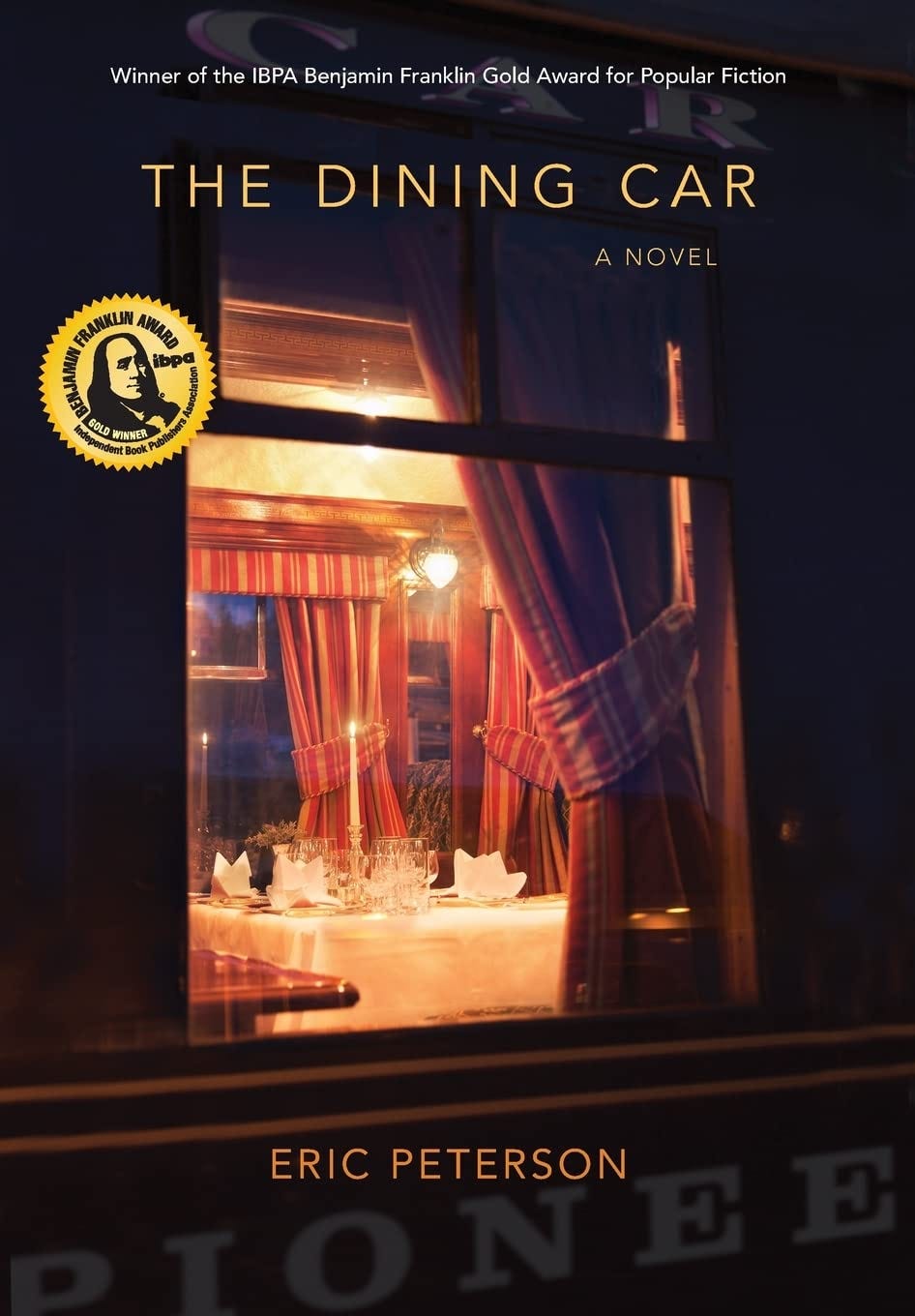
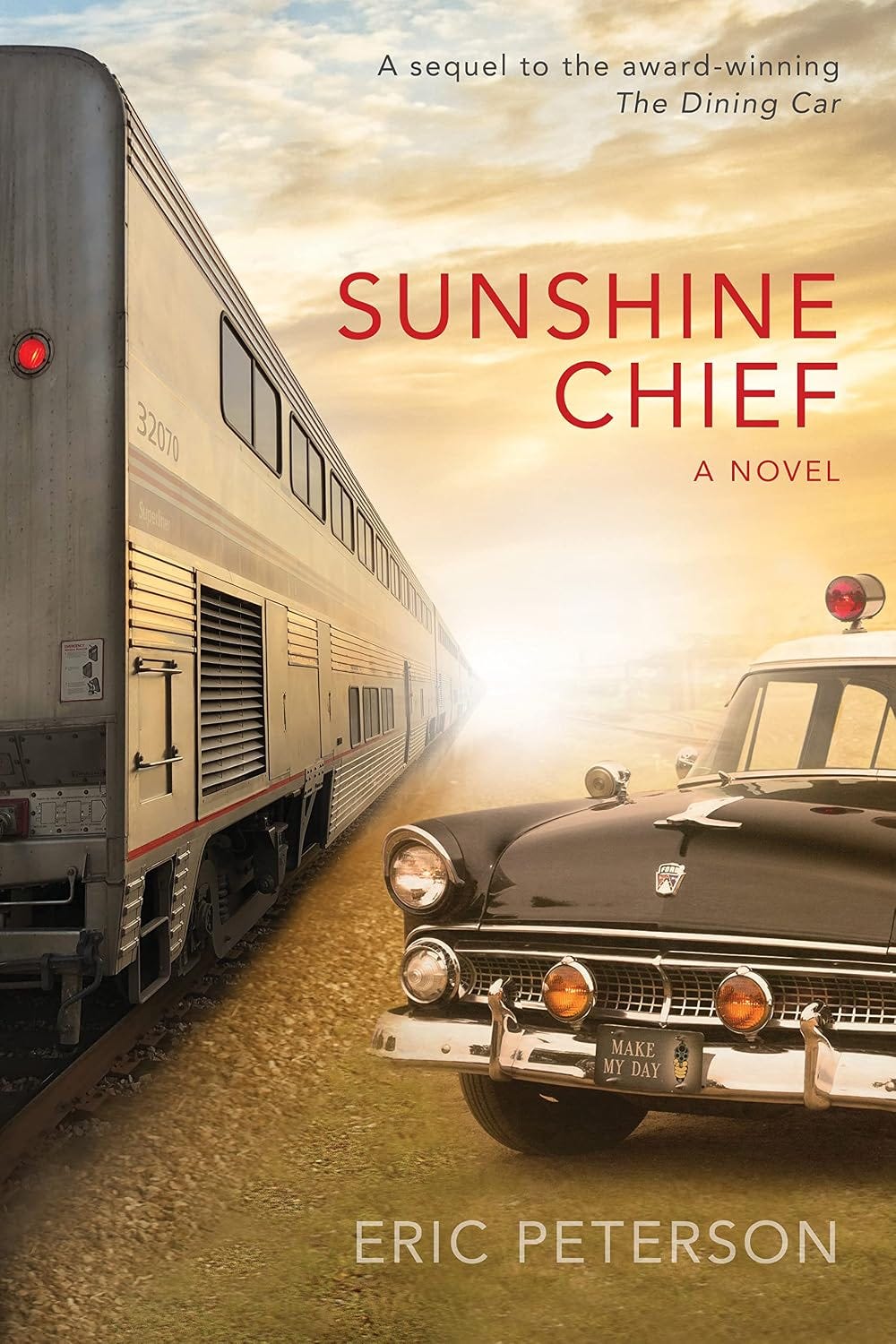
For my last two novels, The Dining Car and Sunshine Chief, I’ve worked with Jennifer Silva Redmond, and it’s been a productive, successful partnership. Jennifer’s first pass on the manuscript is always in the capacity of content editor. I view her feedback report—what works, what doesn’t, what needs to be cut, what should be expanded upon—as an indispensable step in making the new manuscript publication-ready.
Working at the 30,000-foot level, Jennifer scrutinizes a manuscript for things like style, proportion, and consistency. Repetitions, tangents, too much backstory too soon, a major plot resolution in the wrong spot, one word that keeps turning up like a bad facial tic—these were all noted in Jennifer’s report on The Dining Car, and they all got addressed before the manuscript went for its line edit. In the end, we cut more than 10,000 words from the manuscript for The Dining Car. We cut the manuscript for Sunshine Chief by about 4,000 words.
As a fiction writer, I work under the self-imposed tyranny of a daily word-count goal, and I understand all too well the urge to see my newest book in the marketplace as soon as humanly possible—two compulsions that are antithetical to producing a quality product.
Today’s writers compete in a literary wild West. With the rise of self-publishing, there are few rules for what gets published, and even fewer filters. But readers haven’t changed. When they buy a book, they expect it to meet professional standards.
I’ve learned it pays to be patient and to invest heavily in editing your manuscript. A good content editor will tell you when your manuscript is ready for the world—ready to slay!—and, more important, when it is not.”
Thanks, Eric.
How did our partnership work out for Eric? Well, The Dining Car has won at least three top national literary awards, not to mention garnering a slew of five-star reader reviews on Amazon, where it continues to sell nicely. His sequel, Sunshine Chief, a modern mystery set in Tucson, is also winning readers’ hearts and critical acclaim.
I don’t think all those readers and critics would be quite so complimentary if Eric hadn’t been able to hear my criticism (and praise) clearly, and—even more important—been willing to work hard at cutting the manuscript, so that readers would be immediately hooked by his fascinating stories, as they have been.
So, working with a content/structural editor (some people use the term developmental editor) is definitely worth the time and money it takes. Because a good content editor can tell you what to keep and what to cut. So that you can focus on making your writing as good as it can be.
Feel free to comment below (click the heart icon to go right to Substack to comment), or, if you prefer to keep your thoughts private, simply reply to this email which means that only I see your message. Of course, if you think this post would be of interest to someone you know, you can share it in an email or message them the link (click share below). My Substack is always free, with no paywalls.
Editor on Board went over 600 subscribers this week, which is so exciting, and makes me feel like this Substack has really found its niche readership—after three years of weekly posts. In fact, I just saw on my dashboard that EoB added roughly 150 subscriptions in the last six months, going from 447 to 603 in just 180 days.
Welcome and thanks for subscribing. More book reviews and editing tips for writers are coming in the next couple of weeks.
hasta pronto!
Love the stand-up comparison! This is great, thanks!
Thanks for the shout out, Jennifer. At SBWC on the panel about mktg I sat on, last ? was what would you say was most important in the entire pub process. You can guess my answer: Editing by a competent editor. Then I encapsulated what was said in your previous post about having my fiction edited by you. It's kind of amazing that somehow we writers have a blindspot that must be noticed by someone else, ie - editor. Again, thank you! You made my books so so so much more readable-- a fast read as some describe it. Yay!